Get Ground Hydrant Installation
Ground hydrant installation services help property owners ensure reliable fire protection by installing or upgrading fire hydrant systems for commercial and residential projects.
Ground hydrant installation is an essential service for property owners seeking reliable access to water in emergency situations or for maintenance purposes. If your property is in an area where fire safety standards or operational efficiency are priorities, exploring professional installation options can ensure the system meets your specific needs. Local contractors experienced in ground hydrant work can provide guidance on planning and implementing a solution that integrates seamlessly with existing infrastructure, helping to safeguard your property and streamline emergency preparedness.
Considering ground hydrant services involves evaluating different local service providers to find the right fit for your project. Property owners might explore this work to enhance safety measures, improve access to water sources, or support ongoing maintenance routines. By comparing local options, you can identify experienced contractors capable of handling the installation with attention to detail and adherence to relevant standards. Continuing to explore your choices can help ensure your property is equipped with a dependable ground hydrant system tailored to your requirements.
- Ground Hydrant Installation - Needed when a property requires a reliable water source for firefighting or irrigation.
- Fire Protection System Setup - Essential for commercial or industrial sites that need integrated ground hydrants for safety compliance.
- Property Development Projects - Necessary during new construction to ensure proper fire suppression infrastructure is in place.
- Emergency Water Access Installation - Required in areas where existing water supply points are insufficient for emergency response needs.
- Fire Department Infrastructure Improvements - Needed when upgrading or expanding fire safety systems on commercial or public properties.
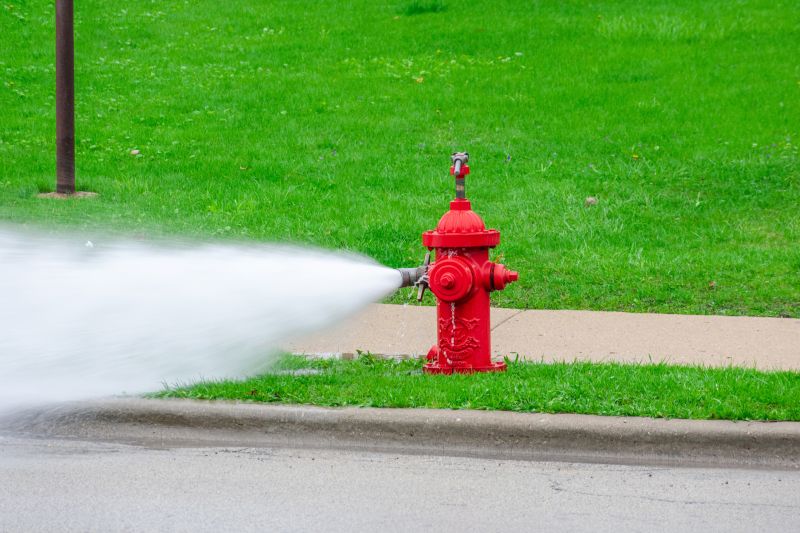
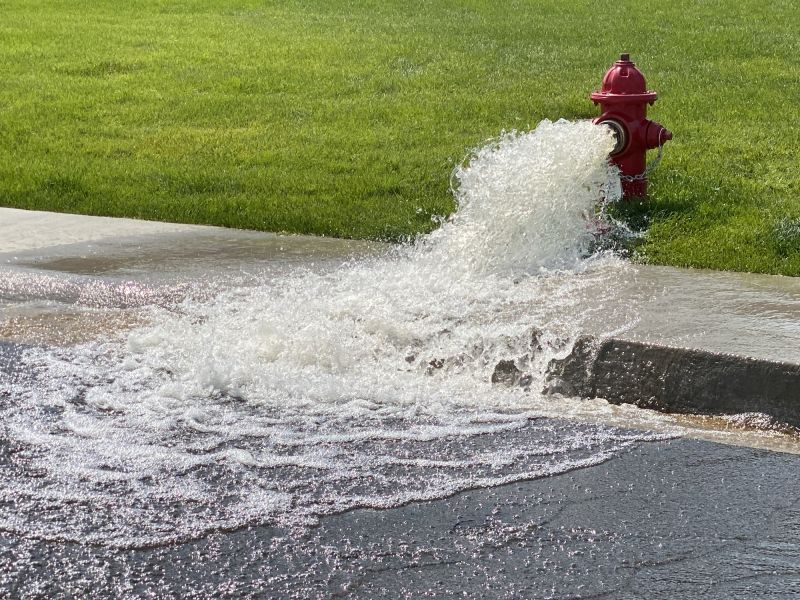
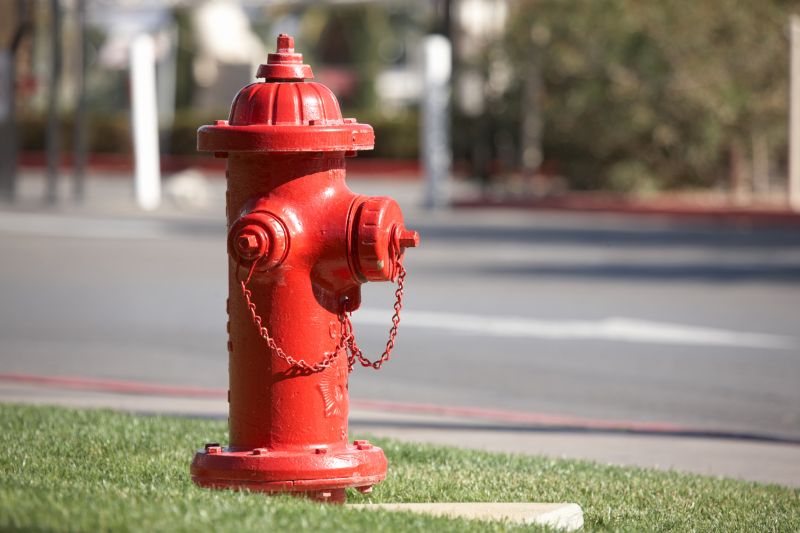
Ground hydrant installation involves setting up a specialized water source that is installed underground to provide reliable access to water for firefighting or irrigation needs. These systems typically include a durable valve and outlet assembly that is embedded below ground level, with a secure cover to prevent debris and accidental damage. The installation process requires careful excavation, placement of the hydrant components, and proper connection to the water supply line. Skilled service providers ensure that the system is properly integrated into the property’s existing water infrastructure, offering a long-lasting solution that can be easily accessed when needed.
This service helps address common problems such as the lack of a readily available water source for firefighting efforts or outdoor watering. Without an accessible hydrant, property owners may face delays in controlling fires or watering large landscapes, leading to increased risks and inconvenience. Ground hydrants provide a dependable water supply that can be quickly accessed during emergencies or regular maintenance, reducing response times and improving safety. They are also useful for properties that require frequent or large-volume irrigation, making outdoor maintenance more efficient and less labor-intensive.
Ground hydrant installation is often used on a variety of properties, including residential estates, commercial complexes, farms, and industrial sites. Large properties with extensive landscaping or agricultural operations benefit from having a dedicated water source that is easy to access. Commercial properties like warehouses or parking lots may also install ground hydrants to meet safety regulations or improve emergency preparedness. Homeowners with large yards or those in areas prone to fires may choose to have a ground hydrant installed to ensure quick access to water in critical situations.
When considering ground hydrant installation, property owners should evaluate their specific needs for water access and safety. If there is no existing hydrant nearby or if current water sources are insufficient for firefighting or irrigation, hiring experienced local contractors can provide a tailored solution. These service providers handle the entire process, from assessing the property to installing a durable, functional hydrant system. Contacting local pros can help determine the best type of hydrant for the property and ensure proper installation that meets safety and operational standards.
The overview below groups typical Ground Hydrant Installation projects into broad ranges so you can see how smaller, mid-sized, and larger jobs often compare in your area.
In many markets, a large share of routine jobs stays in the lower and middle ranges, while only a smaller percentage of projects moves into the highest bands when the work is more complex or site conditions are harder than average.
Smaller Repairs - Typical costs for minor ground hydrant repairs or adjustments usually fall in the range of $250-$600. Many routine maintenance jobs land within this band, though prices can vary based on specific needs and site conditions.
Standard Installations - Installing a new ground hydrant in a straightforward setting generally costs between $1,000 and $3,000. Most projects of this scale are completed within this range, with fewer cases reaching higher amounts due to site complexity.
Full Replacement - Replacing an existing ground hydrant or upgrading to a more advanced system can range from $3,500 to $7,000 or more. Larger, more complex projects, especially those requiring extensive excavation, tend to push costs into this higher tier.
Complex or Custom Projects - Custom installations or projects involving extensive modifications can exceed $7,000, with costs depending heavily on site challenges and specific system requirements. These projects are less common and typically involve specialized work by local contractors.
Actual totals will depend on details like access to the work area, the scope of the project, and the materials selected, so use these as general starting points rather than exact figures.
Underground Water Line Installation - This project involves planning and installing underground piping systems, similar to ground hydrant setups that require precise trenching and placement.
Sprinkler System Installation - Installing irrigation systems shares skills in underground piping, valve placement, and site planning with ground hydrant installation services.
Fire Suppression System Setup - Setting up fire suppression infrastructure involves underground piping and system integration, aligning with the technical skills used in ground hydrant projects.
Water Main Replacement - Replacing or upgrading water mains requires excavation, pipe handling, and site coordination akin to ground hydrant installation processes.
Storm Drainage System Construction - Building storm drainage involves trenching, pipe installation, and planning for underground infrastructure similar to ground hydrant setups.
Well and Pump Installation - Installing wells and pumps involves underground piping and site preparation skills comparable to those needed for ground hydrant projects.
When comparing local contractors for ground hydrant installation, it’s important to consider their experience with similar projects. Homeowners should look for service providers who have a proven track record of handling ground hydrant installations or related landscaping and irrigation work. An experienced professional is more likely to understand the complexities involved, recommend appropriate solutions, and execute the job efficiently. Checking how long a contractor has been working in the area or in the specific field can provide insight into their familiarity with local conditions and requirements.
Clear, written expectations are essential to ensure that both the homeowner and the service provider are aligned on the scope of work. When evaluating options, it’s helpful to review the detailed descriptions of services offered, including the steps involved, materials used, and any warranties or guarantees. A reputable contractor will be transparent about what the job entails and provide a comprehensive proposal that outlines the project’s specifics. This clarity helps prevent misunderstandings and ensures that everyone is on the same page from the start.
Reputable references and good communication are key indicators of a reliable service provider. Homeowners should seek out local contractors who can provide references from previous clients with similar projects, offering insight into their work quality and professionalism. Additionally, effective communication-such as prompt responses to questions and willingness to discuss project details-can foster a positive working relationship. While the site introduces homeowners to local options, it’s important to remember that the actual work will be performed by qualified service providers who can be evaluated based on these criteria.
Property owners use Ground Hydrant Installation services for practical projects around their homes and businesses. This guide focuses on everyday jobs and straightforward project options.
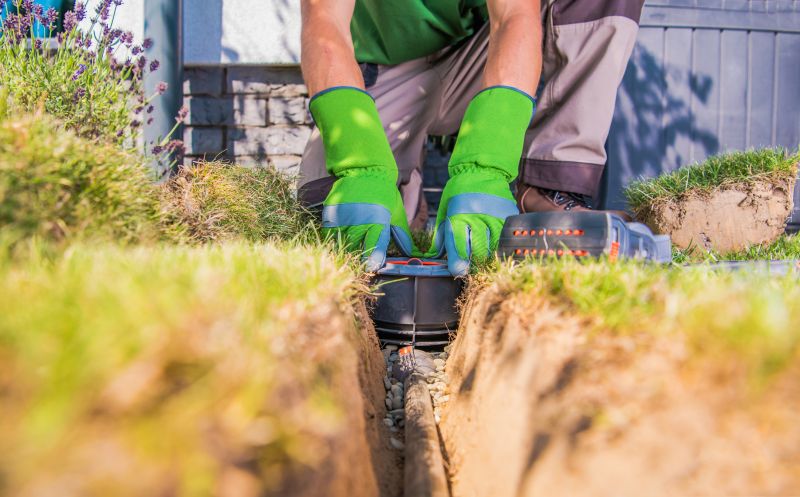
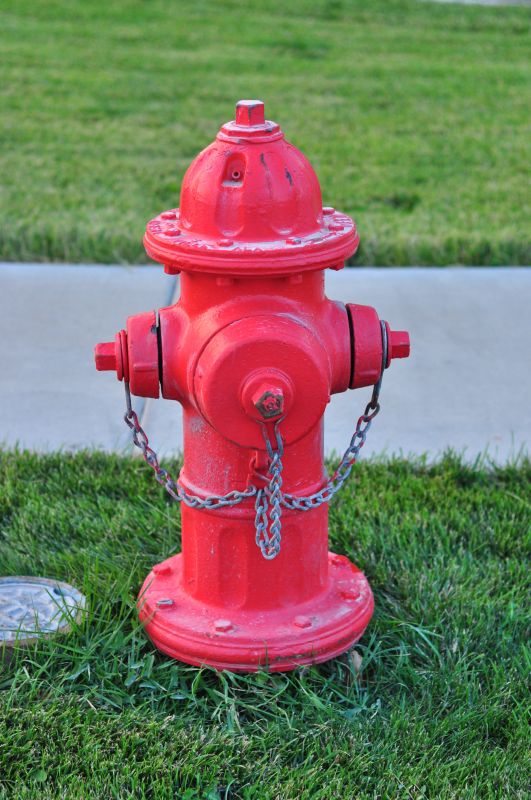
Ground hydrant installation is a common project for property owners who need reliable access to water in emergency situations or for regular maintenance. Whether managing a large commercial property, a fire protection system, or a farming operation, having a properly installed ground hydrant ensures quick and easy water access when it’s needed most. Local contractors experienced in this work can assess the site, recommend suitable solutions, and handle the installation efficiently to meet safety and operational needs.
Property owners might seek ground hydrant services to improve fire safety measures or to support irrigation and landscaping efforts. In some cases, existing hydrants may need repairs or upgrades to ensure they function correctly. Local service providers are equipped to handle these projects, offering expertise in installing, repairing, or maintaining ground hydrants to help property owners stay prepared and compliant with local safety standards.
What are ground hydrants used for? Ground hydrants provide accessible water sources for firefighting, irrigation, or other outdoor water needs.
Who can install a ground hydrant? Local contractors experienced in outdoor water systems can handle ground hydrant installation services.
What factors influence the installation process? Soil type, property layout, and water supply connections are key considerations for ground hydrant installation.
Are ground hydrants suitable for residential properties? Yes, ground hydrants can be installed on residential properties where outdoor water access is needed.
How do I find local service providers for ground hydrant installation? This website helps connect with local contractors who specialize in ground hydrant installation services.
Ground Hydrant Installation for Fire Safety - Property owners can enhance fire protection by installing ground hydrants in areas prone to wildfires or rural settings.
Emergency Preparedness Planning - Installing ground hydrants can provide quick access to water sources during emergency situations or natural disasters.
Agricultural Water Access - Farmers and ranchers might use ground hydrants to efficiently supply water for irrigation and livestock needs.
Property Development Projects - Developers can incorporate ground hydrants into new construction sites to meet safety requirements and improve accessibility.
If you are thinking about Ground Hydrant Installation for a property, this guide is meant to help you understand the work, the typical project types, and how different options might fit your plans.
When you are ready, you can use the quote form on this page to share a few details about your project. From there, local pros can review the basics and respond with options that match what you have in mind.